
Whole Baked Fish in Salt (Salt-Crusted Fish) – Simple, Juicy & Foolproof (VIDEO)

When I lived in Kiev, I often enjoyed dining in small, unassuming restaurants tucked away in the city’s historic districts. One dish always caught my attention: a whole fish baked in salt. There were no fancy sauces or elaborate presentations—just the fish, perfectly cooked, and yet it left a lasting impression.

The first bite was a revelation. The flesh was pure, clean, and perfectly tender. No flavors were masked. No unnecessary adornments. Just fresh, beautiful fish, highlighted by the natural seasoning of the salt crust. It was humble, yet somehow special—an elegant dish that felt both traditional and timeless.

This is an old, Mediterranean–Eastern European technique. I would say, a timeless technique for baking whole fish in salt. No oil or butter needed—just pure flavor, moisture, and perfectly cooked fish every time.
Have you subscribed to my cooking channel? Go and click here to be the first to see my new videos and THANK YOU so much for subscribing. It means a lot to me!
For many of you, seeing so much salt in one dish raise immediate reaction:
Is this fish going to be too salty?
And here’s the part many people worry about: don’t be afraid that the fish will be too salty. The salt crust is just a protective shell, not a seasoning that penetrates the fish too deeply. It locks in moisture and flavor, keeping the fish juicy and naturally seasoned, but the flesh itself stays delicate and perfectly balanced. That’s the beauty of this old-fashioned method—it’s simple, effective, and foolproof.
This is the magic of baking fish in salt. The method itself is simple but powerful: the salt crust locks in moisture and flavor, creating a fish that is flaky, juicy, and aromatic, with the herbs and lemon enhancing rather than overpowering. It’s a technique that has been used for centuries in kitchens around the world—from the Mediterranean to Eastern Europe and beyond. It’s old-fashioned, yes, but in a way that feels refreshingly modern, because it lets the natural quality of the fish shine.
What do I like about this Salt-Crusted Fish?
Whether it’s for a special occasion or a weeknight dinner, this method is foolproof. It’s elegant enough to impress guests, yet simple enough to make any evening feel memorable. And because the fish is cooked in its own juices, it requires almost no extra sauce or seasoning—just good, fresh fish and a little salt.
I love this dish because it reminds me that sometimes the best flavors come from simplicity, from letting the ingredients speak for themselves. It’s a lesson that applies to cooking and to life: the humble, honest things are often the most beautiful.

Next time you want a clean, elegant, and comforting fish dinner, try baking your whole fish in salt. It’s simple. It’s classic. And it’s unforgettable.
No seasoning on the fish •No salt inside •No marinade
Tips for Cooking Your Salt-Baked Fish
Use sea or cosher coarse salt for the crust.
Stuff the fish with fresh herbs and onion, and lemon slices for subtle flavor.
Bake until the crust is hard and slightly golden. No thermometer needed.
Crack open at the table for a dramatic and delicious reveal.
Don’t worry about saltiness — the crust protects the fish and keeps it perfectly seasoned without being overwhelming.

What to Serve with Whole Fish Baked in Salt?
This kind of fish doesn’t need much. It’s gentle, juicy, and deeply flavorful on its own, so the best sides are simple, fresh, and comforting.
On my table, I like to serve it with things that feel familiar and honest — food that supports the fish without stealing the spotlight.
Rosemary & Celtic Salt Sourdough Focaccia Soft and airy, perfect for tearing and soaking up the natural juices released when the salt crust is cracked.
Cucumber Avocado Salad with Fermented Red Onions Cool, crisp, and refreshing. The acidity and herbs balance the richness of the fish beautifully.
Miso Mashed Potatoes Creamy and comforting, with just enough umami to add depth without heaviness.
Herb - Butter Rice Light and aromatic, scattered with fresh herbs for color and freshness.
Finish everything with lemon wedges and a drizzle of good olive oil, letting the fish speak for itself. The flavors from the salt-crusted cooking, herbs, and citrus are already wonderful, so sometimes simplicity is best.

Optional Warm Olive Oil Sauce (Infused) For a quick, flavorful sauce:
In a small saucepan, combine olive oil with aromatics like garlic, lemon slices, fresh herbs (thyme, sage, and dill), and a pinch of chili flakes if you like.
Gently warm over low heat for a few minutes—just enough to infuse the oil.
Keep warm until serving, then drizzle over the fish or serve on the side.

Simple food • Thoughtful combinations • Nothing extra
What kind of Fish is best for Baked in Salt?
The best fish for baking in salt is a whole, medium-to-large fish with firm flesh and clean flavor. Whole fish in the 3–6 pound range are ideal for home cooking and can be baked comfortably on standard baking sheets. Salt baking works especially well for fish that can be cooked on the bone, as the salt crust seals in moisture and protects the delicate meat while it bakes.
Great choices include:
Red drum (redfish)
Branzino
Sea bass
Snapper
Sea bream
For this video, I used redfish, also known as red drum — a local favorite here in South Carolina. I used a 4½-pound whole fish, a perfect size for salt baking.
At this size, the fish cooks evenly while staying incredibly moist inside the salt crust. It’s so loved in this region that we even have restaurants named after it, and deep open-water fishing for red drum is a popular local tradition.
In fact, on my very first visit to South Carolina in 2010, we went on a red drum fishing tour. It was an unforgettable experience and one of my earliest memories of connecting food, place, and tradition here.

Red drum is ideal for salt baking: the flesh is firm, mildly sweet, and holds up beautifully to this old technique, staying juicy and flavorful without the need for oil or butter.
More fish recipes for a fish food lovers:
If you love fish, this recipe shows how to make a simple yet restaurant-quality dish, even while camping. Catfish, Camping 2024.


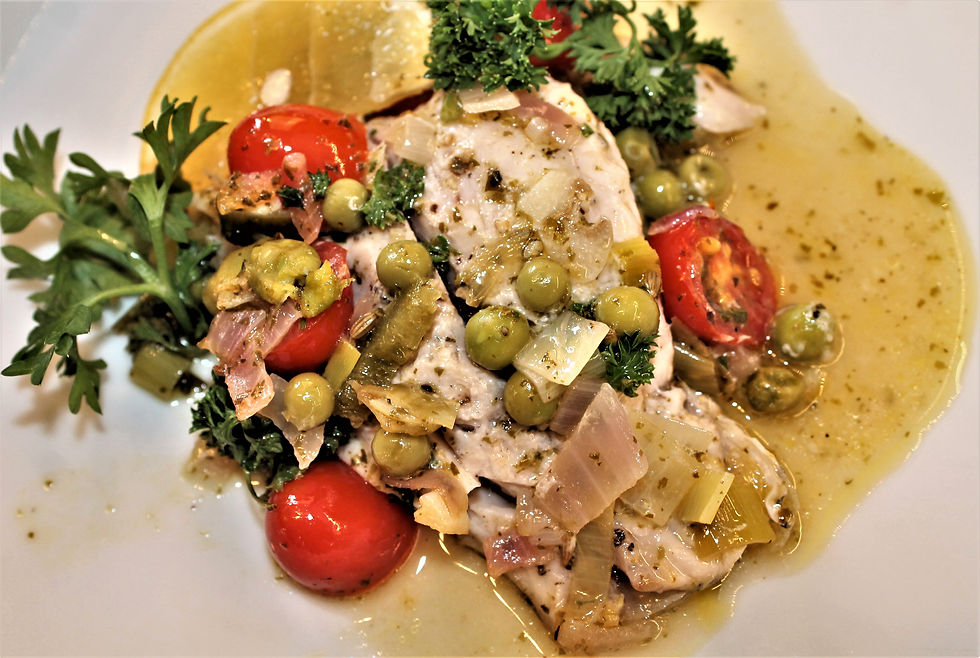
Let's do it...
Time of baking is depends on a size of your fish...
20–25 minutes for ~2 lb. fish
30–45 minutes for larger fish or until the salt crust has a little bit of brown color on a sides.
How I know its done cooking?
If you use a thermometer, the fish is done at 135–140°F. At this point, the salt crust—particularly along the sides—will appear dry, firm, and lightly browned, indicating that the fish has cooked evenly inside its salt “oven.” Once removed from the oven, the fish will continue to cook as it rests, reaching about 145°F.
How much salt is needed?
The amount of salt you use depends on the size of the fish, and the ratio is 1:1. I know—it sounds crazy! But here’s the thing: because of the fish’s scales and the way it bakes, you won’t actually taste it.
The salt is there to create a protective “oven” around the fish. Inside, the flavors from the herbs, onion, lemon, and garlic infuse the fish as it steams during baking. The heat works from the inside out, gently cooking the fish and keeping it incredibly juicy and flavorful.

Ingredients for the Whole Baked Fish in Salt:
1 whole fish (4 lb.), gutted, not scaled (I used red Drum in the video)
4 lb. coarse salt (kosher or sea salt)
3 egg yolks
water (just enough to combine everything together)
1 Lemon sliced
1/2 onion sliced
1 clove garlic smashed
Fresh herbs: dill, sage, thyme (or of your choice)

Ingredients for the warm olive oil sauce:
1/2 cup extra virgin olive oil
few lemon slices
few spring of each herb (sage, thyme, dill)
pinch of Pepper Flakes (optional)
Direction for Whole Baked Fish in Salt:
1️⃣ Preheat oven to 400°F / 200°C
2️⃣ Prepare the fish
Rinse quickly, pat dry
Stuff cavity with lemon slices, onion, garlic, herbs
3️⃣ Make the salt crust
Mix salt with egg yolks and water → texture should feel like wet sand
4️⃣ Build the crust
Spread a thick layer of salt on a baking sheet
Place fish on top
Cover completely with salt — head to tail, thick seal
5️⃣ Bake & Make a sauce
20–25 minutes for ~2 lb. fish
30–45 minutes for larger fish or until the salt crust has a little bit of brown color on a sides.
Making a sauce while the fish is in the oven is totally optional, but I highly recommend it. Simply combine all the ingredients in a small sauce pot and gently bring them to a simmer for a few minutes—just enough to infuse the oil with flavor. That’s it! Keep the sauce warm until serving time.
6️⃣ Rest & crack
Let rest 5 minutes
Crack crust with back of spoon or oyster shocker
Lift fish out, remove skin (it peels off easily)
7️⃣ Serve
Drizzle with warm olive oil
Lemon at the table
Have you subscribed to my cooking channel? Go and click here to be the first to see my new videos and THANK YOU so much for subscribing. It means a lot to me!


Really enjoyed reading this! Thanks for sharing such valuable insights. I’ve always liked the timeless look of air force 1s men, especially alongside classic nike air force one sneakers and white air force 1s for everyday outfits and casual styling.
Lately, I was searching for a reliable download reels tool that works without installing any application. After trying a few different websites, this one worked surprisingly well for me and the process felt very simple.
Je suis tombé sur plusieurs discussions en cherchant comment choisir un club de jeu en ligne fiable, et ce qui m’a le plus aidé n’était pas la liste des bonus mais les retours détaillés des utilisateurs. J’accorde beaucoup d’importance à la clarté du site, à la rapidité des chargements et à la facilité pour retrouver l’historique des opérations. Un bon club ne se résume pas aux promotions affichées en première page. Après avoir comparé plusieurs options, Golden Panda m’a semblé intéressant grâce à une navigation cohérente et des informations présentées de manière directe. J’apprécie surtout les avis qui décrivent des situations réelles plutôt que des promesses vagues. Cela aide davantage à prendre une décision réfléchie.
This was a really engaging piece, the tone kept me interested from beginning to end. I recently saw slope 3 game online and it connects well with clean flavor ideas and seafood recipe creativity.
This is a beautifully presented and easy‑to‑follow recipe that makes whole baked fish in a salt crust feel both impressive and achievable. I especially like how the video and step‑by‑step instructions demystify the process, showing that a simple technique like salt crust baking can result in an incredibly juicy and flavorful fish without requiring complex skills or ingredients. The clear explanation of how the salt crust seals in moisture and enhances natural taste helps readers understand not just what to do but why each step matters, which is really helpful for building confidence in the kitchen. The combination of practical guidance and visual support makes this recipe accessible for home cooks at any skill level, which reminds me of how…