
Traditional Ukrainian Dumplings (Vareniki) with Chicken Liver (VIDEO)

Updated: Dec 17, 2025

There’s something wonderfully comforting about dumplings. For centuries, Ukrainian kitchens have been rolling, pinching, and boiling dough to create delicious parcels of joy, called vareniki. At Innichka Chef, I have shared many dumpling recipes to celebrate this beautiful culinary tradition, check this collection of recipes here — and today, I’m thrilled to introduce a new favorite: Ukrainian Vareniki with Chicken Liver.
Have you subscribed to my cooking channel? Go and click here to be the first to see my new videos and THANK YOU so much for subscribing. It means a lot to me!
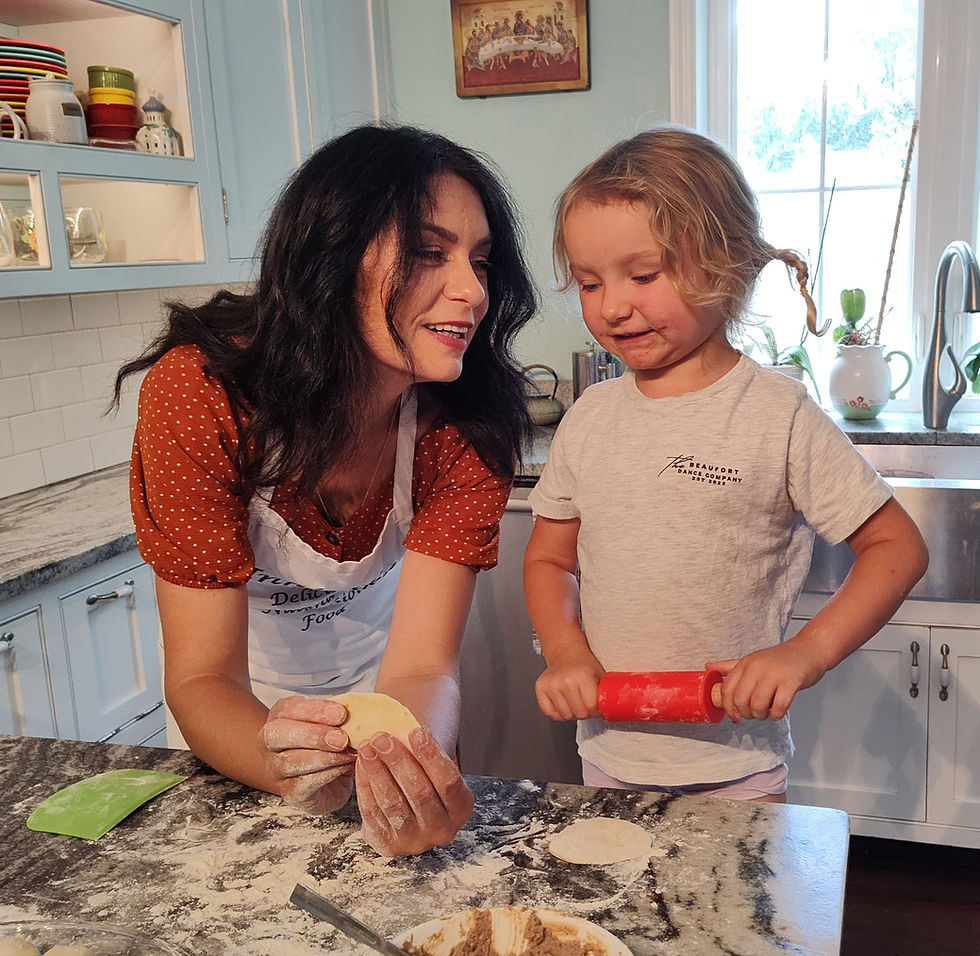
A Taste of Tradition
Vareniki are the heart of Ukrainian home cooking, beloved for their versatility and simplicity. You’ll find them with savory fillings like potato, cabbage, and mushrooms, or sweet fillings like cherries and cottage cheese. Each region — and each family — has its own treasured way of preparing them.

Over the years on Innichka Chef, I’ve explored classic recipes such as:


Today, I’m adding to that legacy with a rustic and deeply flavorful variation — Vareniki stuffed with chicken liver. This filling is a nod to resourceful, old-world kitchens, where every part of the chicken was put to good use.
If you’re reading this blog, you probably already know how important liver is for nutrition. But if someone in your family doesn’t enjoy the taste, this is a great alternative you can use instead.
Why Chicken Liver?
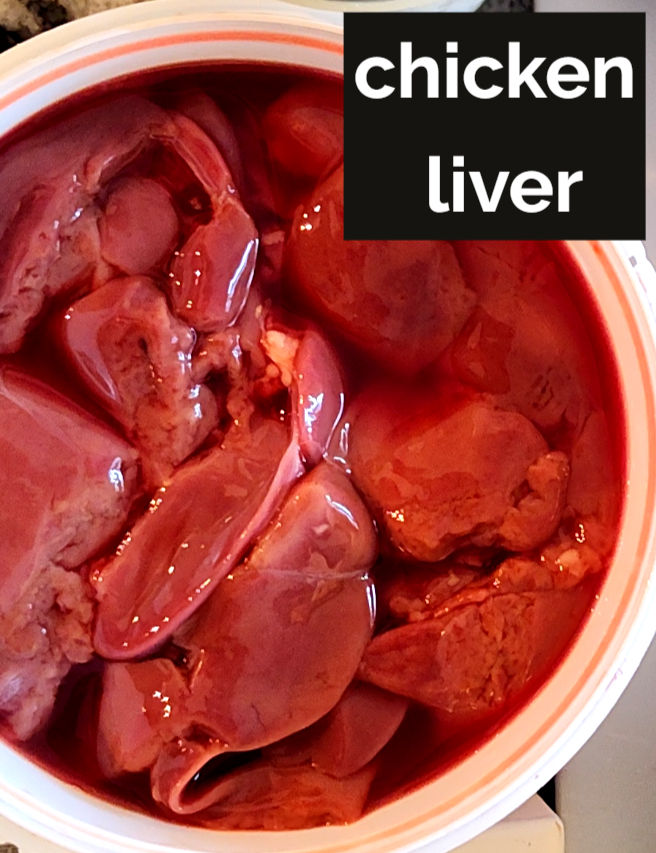
Chicken liver is incredibly rich in flavor and packed with iron and nutrients. When sautéed with onions and herbs, then encased in pillowy vareniki dough, it transforms into something both simple and spectacular. Ukrainians have long valued liver as a nourishing and affordable protein, making these vareniki both budget-friendly and memorable.
More recipes with Liver


Why Soak Liver in Milk Before Cooking? Here's the Secret
Liver is a nutrient-dense powerhouse (that's why many nations around the world prefer organ over muscle meat) — rich in iron, vitamin A, B12, and essential minerals—but let’s be honest, it can have a strong flavor that not everyone enjoys. If you grew up with someone who knew how to cook it just right, then you know how tender and flavorful liver can truly be. My mom used one old-fashioned (and still very smart) technique. Soaking liver in milk before cooking.

So, why soak liver in milk?
The main reason is to soften and mellow the flavor. Liver naturally has a metallic or bitter taste due to the high level of iron, especially if it comes from older animals or if it’s been sitting a few days. Milk helps draw out some of the blood and impurities, resulting in a milder, cleaner flavor and a more pleasant texture.
It also makes the liver more tender. Milk’s gentle acidity helps break down tough connective tissues in the liver. After just 30 minutes to an hour of soaking, you’ll notice a difference—less chewiness and more melt-in-your-mouth satisfaction.
How to Serve Vareniki with Chicken Liver?
Vareniki with chicken liver are best served with a generous dollop of sour cream or creme fraiche, freshly chopped dill, and perhaps a drizzle of browned butter infused with onions or garlic. You could also serve them with a splash of homemade vinegar for a hint of acidity that balances the richness of the liver.

Ukrainian dumplings are more than just food — they are family stories wrapped in dough. Whether you are making them for a holiday, a celebration, or just an ordinary Sunday, Vareniki connects us to tradition and to each other.
IDEAS FOR THE FILLINGS (savory & sweet):
The beauty of a Vareniki recipe is that it can be filled with both savory and sweet fillings:
Here are some savory filling ideas:
Cabbage or sauerkraut
Sauteed onions and mushrooms
Organ meats
Pumpkin
Swiss chard and goat cheese
Peas and ham
Cooked meat, (such as pulled pork)
Potato and bacon
Beans
Buckwheat and caramelized onions
Here are some sweet filling ideas:
Cherry and semolina
Dried fruit and nuts
Poppy seeds and apple
Pumpkin and farmer's cheese
Farmer's cheese with vanilla and raisins
Chocolate and cherries
Strawberries
Tart cherries
Millet with vanilla and currants
Plums or apricots
Let’s Cook Together!
Visit Innichka Chef to explore step-by-step recipes, video guides, and even more dumpling inspiration. Bring a taste of Ukraine to your kitchen — one varenik at a time!
Let's do it...
Prep Time: 40 minutes
Cooking time: 5-6 minutes
Total time: 46 minutes
Author: Inna of innichkachef.com
Yield: About 48 dumplings

Ingredients for the filling
450-500 grams chicken liver or any liver of your choice
1 cup regular milk (to soak the liver)
1 large onion
2 medium carrots
1 tablespoon butter
2 tablespoons olive oil
2 heaping tablespoons of creme fraiche or heavy cream
1 teaspoon dried thyme powder
Pink salt, and freshly ground pepper to the taste
Ingredients for the dough
350-400 grams all purpose unbleached flour
1/2 teaspoon pink salt
2 egg yolks
1 cup boiling hot water
1 tablespoon olive oil (or oil of your choice)
Ingredients for serving
Creme Fraiche or sour cream
Chopped herbs such as dill or parsley
Fried lardons or melted butter (brown butter even better choice)
Gravy (the recipe is in the directions below).
Directions for the Traditional Ukrainian Vareniki with Chicken Liver
Prepare liver: Add liver to the bowl, pour milk over and let it soak for at least for 15 minutes, but for better results 30-60 minutes.
To make a filling: On a preheated cast iron skillet add olive oil, and butter and let it melt. Then add the sliced onion, and carrots. Season with salt, pepper and thyme. Cook on low heat for a few minutes. After the onion gets slightly brown in color, cover and cook for two more minutes.
To finish up the filling: Remove the liver from the milk and gently place over the sautéed onion and carrots. Cover and cook for 2-3 minutes on low heat. Open the cover and add creme fraiche or heavy cream, stir all together. Cook uncovered for another 2-3 minutes. DON'T OVERCOOK THE LIVER!
Cool down the liver: Pour liver, onion, and carrot mixture into a bowl and let it all cool down. Meanwhile, make the dough. As soon as it reaches room temperature, puree in a blender, leaving most of the juices in the bowl (save juice for the gravy to serve vareniki). Puree until the liver mixture looks like pate. Give it a taste and adjust seasoning if needed. Set aside.
To make the dough: Add all ingredients into the bowl except hot water and mix with a fork. Then slowly add hot water, mixing it as you go. Make a dough ball. Wrap it with plastic wrap or leave in a bowl covered up with plastic wrap (this is necessary to let the dough rest for 20 minutes without drying out).
To make vareniki: Take a small piece of dough (the size of a walnut) and roll it between your palms until it looks like a perfect ball. Place the dough-ball into a well floured platter, repeat with the rest of the dough. Then flatten each ball with your fingers into a flat circle, place one heaping teaspoon of prepared liver filling in the middle of the circle. Press the edges together to make a half moon. Make sure the edges are well sealed (vareniki can be frozen at this point for future use).
To cook vareniki: Salt water and bring it to a boil. Drop in the vareniki, about 10 at a time. Simmer until they float to the top. It takes no more than 5 minutes, but if you boil frozen vareniki, it will take a few minutes longer. Remove with a slotted spoon and place in melted butter, or even better into brown butter. Making a gravy is optional, but I highly recommend it.
Gravy to serve vareniki: Place reserved juices from cooking liver into a small sauce pot. On low heat, bring to a boil. Then pour into the pot a mixture of cold water and cornstarch (1/4 cup cold water and 2 tablespoons of cornstarch, mixed together). Cook and stir with a fork for 3-5 minutes until the gravy looks glossy and rich. Pour over vareniki and serve right away.
Have you subscribed to my cooking channel? Go and click here to be the first to see my new videos and THANK YOU so much for subscribing. It means a lot to me!


Excellent article! You explained the topic in a simple and easy-to-understand way. It will definitely help students who are planning to study overseas. At WTS Study Abroad Consultants, we also guide students with university admissions, scholarships, and student visa assistance. Thanks for sharing such valuable information!
Really interesting to see the traditional approach to making Ukrainian vareniki with chicken liver filling. The way the dough is prepared and rolled so thin while still holding a rich, savoury filling highlights how much technique goes into what looks like a simple comfort dish. The video also makes it clear how important texture balance is, especially between the soft dumpling and the deep flavour of the liver mixture. It’s the kind of recipe that shows how regional food carries history in every step, from shaping to boiling. It also reminds me how learning detailed processes, much like cooking, can feel similar to tackling an Assignment Help UK task that requires structure and patience.
What a beautifully detailed recipe! Vareniki with chicken liver is such an underrated combination — the earthy richness of the liver paired with that soft, pillowy dough is truly comforting. I appreciated how clearly you explained each step, especially the dough consistency tips, which can make or break the final result. I've been exploring Eastern European cuisine lately and stumbled upon this while researching traditional dishes. Funny enough, I was also helping a friend who uses an Android Assignment Writing Service for his culinary studies, and he mentioned Ukrainian dumplings as a topic — so this post came at the perfect time! The video was a wonderful touch; watching the folding technique made it so much easier to understand. I'll…
This blog post about traditional Ukrainian Vareniki with chicken liver is so fascinating, and the detailed video makes the process of preparing the dough and filling look incredibly rewarding. I love how you’ve preserved such an authentic recipe, as it’s a wonderful reminder of how culinary traditions are passed down through generations. I’ve been spending so much time in the kitchen lately trying to master recipes like this because I need help with my biology assignment and cooking serves as the perfect mental break from studying cellular structures and anatomy. Thank you for sharing such a delicious piece of Ukrainian culture; I can't wait to try making these at home!
What a beautiful and heartwarming post! There's something so deeply comforting about recipes that carry generations of tradition — the way you described your mom's milk-soaking trick for liver instantly brought back memories of watching older family members cook with such quiet wisdom. I never would have thought to tuck chicken liver into vareniki, but now it makes complete sense — it's resourceful, nourishing, and full of flavor. Juggling new recipes while keeping up with everything else in life can feel overwhelming, much like students who turn to New Assignment Help when deadlines pile up — sometimes you just need the right guide to make a complex task feel manageable. Your step-by-step directions and video do exactly that for home…